"SRI LANKA: A RISING HUB FOR GLOBAL INVESTMENT OPPORTUNITIES"
Strategic Location
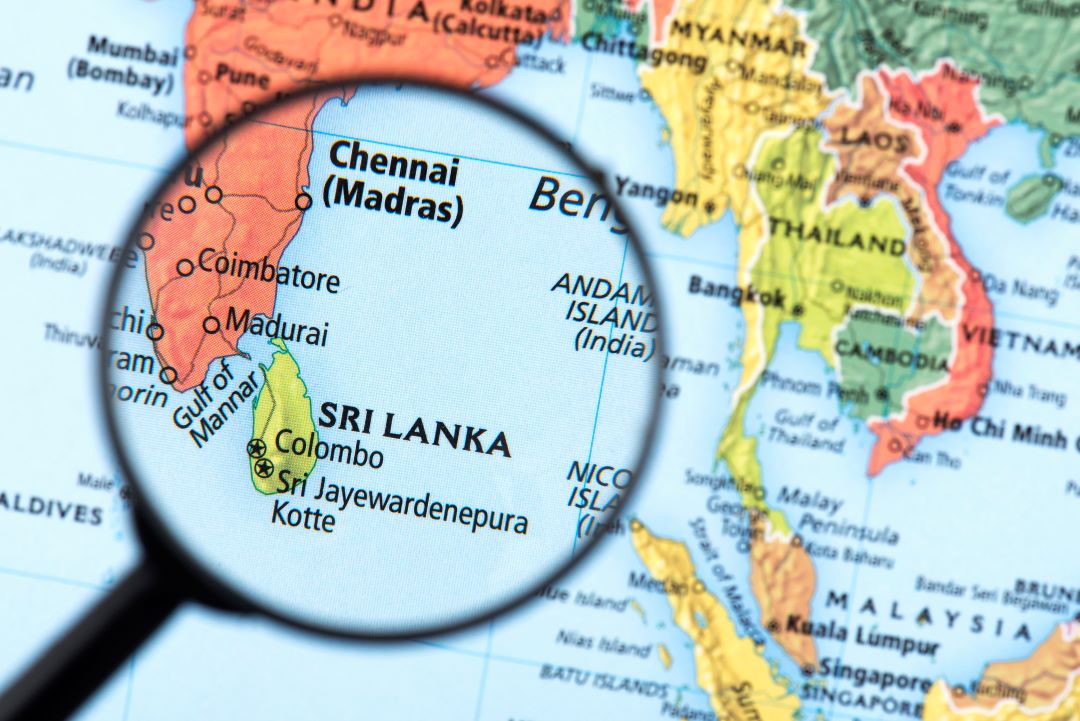
Sri Lanka’s position in the Indian Ocean is ideal for trade, being at the crossroads of major shipping routes connecting Asia, the Middle East, and Europe. Its proximity to India, a major market, further enhances its strategic appeal, making it an excellent hub for trade, logistics, and supply chain operations.

Growing Economy
Sri Lanka’s economy is rapidly evolving, with sectors like tourism, manufacturing, agriculture, IT, and maritime services experiencing significant growth. The government has implemented policies to encourage foreign investment, offering incentives such as tax breaks, relaxed regulations, and free trade zones to attract global businesses.
Infrastructure Development
Major infrastructure projects, including new ports, airports, highways, and industrial zones, are transforming the landscape. The Colombo Port City project, which aims to create a financial hub akin to Dubai or Singapore, is one of the key highlights of this development.


Highly Educated Workforce
Sri Lanka boasts a well-educated, English-speaking workforce, making it an ideal destination for industries like IT outsourcing, digital marketing, and financial services. The country’s emphasis on education, especially in technology and engineering, ensures a constant pipeline of skilled labor for potential investors.
Sector-Specific Opportunities
Tourism & Hospitality: Sri Lanka is one of the top tourist destinations in the world, known for its beaches, heritage sites, and wildlife. Investment in hotel chains, eco-tourism ventures, and luxury travel infrastructure offers excellent returns.

Maritime Industry: Sri Lanka’s ports, including the Colombo and Hambantota Ports, are central to global shipping routes. Investments in logistics, shipping, and related services such as ship repairs and engineering offer promising potential.

Agriculture & Agro-processing: Known for its premium tea, spices, and rubber, Sri Lanka presents opportunities in agribusiness, organic farming, and food processing.



IT & Digital Services: The burgeoning tech sector, particularly in software development, digital marketing, and AI, presents lucrative opportunities for startups and large firms alike.



Manufacturing & Apparel: Sri Lanka has a strong presence in the apparel industry, focusing on sustainable and ethically produced garments. Its free trade agreements with key markets like the EU and India give manufacturers tariff-free access to these regions.


Favorable Investment Policies
Sri Lanka’s Board of Investment (BOI) provides streamlined investment processes, offering long-term leases on land, tax holidays, and various other financial incentives. Additionally, free trade agreements with countries like India, China, and Pakistan provide an expanded market for products manufactured or processed in Sri Lanka.
Stable Political and Legal Framework
The government is committed to improving the business environment by implementing policies that foster political and economic stability. This includes reforms in trade policies, investment protection agreements, and anti-corruption measures.


Sustainability and Green Investment
As the world moves towards sustainability, Sri Lanka’s commitment to eco-friendly and green practices makes it an attractive destination for investors in renewable energy, sustainable agriculture, and environmentally responsible tourism.
Cultural Richness and Heritage
In addition to economic benefits, Sri Lanka offers a rich cultural backdrop and quality of life for expats and global business leaders. Its unique cultural mix, friendly population, and scenic landscapes make it a desirable place to live and work.


Proven Track Record
The growing investor confidence in the country is evident in the increased foreign direct investment (FDI) flows in recent years.
Sri Lanka’s diverse sectors, strategic location, and favorable investment policies make it a high-potential investment destination. With a government committed to economic reforms, global investors have the chance to be part of the country’s next phase of growth and development, benefiting from a well-educated workforce, robust infrastructure, and strategic geographic advantages.